Table of Content
It’s never a bad idea to have your home inspected before you list it. In a buyer’s market, when the number of homes for sale exceeds the number of people looking to buy, having a pre-inspection done might help speed up the sale process. Inspection contingencies, which make the purchase contingent on the condition of the house, are among the most common contingencies in purchasing contracts. If the inspection returns issues that you’d like the seller to pay for or repair, or that you think devalue the home, you can negotiate with information from the inspection at your back. Buyers shoulder the home inspection cost because it’s the buyer’s responsibility to do their due diligence to make an informed purchase. The buyer typically pays for the inspection, usually after an offer is accepted but before they close on the home.

Owner's title insurance is optional, but it can cover you in a wide variety of scenarios. A title insurance company will cover you if a previous owner of the property brings a lawsuit against you after you purchase your property. For example, if you borrow $100,000 to buy your home, your MIP due at closing is $1,750. This upfront payment is separate from your monthly MIP, which ranges from 0.45% to 1.05% of your loan value.
Closing costs on a USDA loan
The fee is typically about $300–500, depending on the complexity of the property lines. If you have large or unusual boundaries, the survey fee could cost more. If you aren’t using a conventional loan, there are other limits for seller concessions. For example, if you have an FHA loan, there is a standard limit that sellers can only contribute 6% based on the appraised value and the price of the property. Your real estate agent may also offer an outright credit if you negotiate with them. There seems to be a great deal of confusion when it comes to closing costs and mortgages, so let’s clear the air and make sense of it all.

They may charge more because of their experience or the depth of the inspection they can perform. It may be necessary for you to obtain a mortgage or title work for the sale or purchase of your home. We are pleased to recommend that you arrange financing through Rocket Mortgage® and title work through Amrock.
Underwriting Fee
Every province in Canada has something called a land transfer tax, which is a percentage of the purchase price of the home. This tax was first introduced in Canada in the 1970’s to provide an additional revenue stream for cash strapped municipalities. The percentage varies from province to province, but the more expensive the home, the higher this amount will be. First-time home buyers are sometimes exempt from paying land transfer tax. When you purchase a home, you’ll encounter a number of legal and administrative costs during the closing process. These are referred to as closing costs, and they are over and above the down payment and mortgage costs.
The amount a seller can cover in buyer closing cost is capped at 6% of the home sale price. The interest adjustment is the amount of interest accrued between your closing day and the day your first mortgage payment comes out. You can use a mortgage default insurance calculator to help you better understand how much money your CMHC insurance might cost on your mortgage. Although this insurance costs the average Canadian approximately 2.8% – 4.0% of their mortgage, it makes homeownership possible for some who may not otherwise qualify for a mortgage. If you’re a buyer, this means it’s imperative for you to pay for your own inspection (even if the seller had a pre-inspection done) if you want to protect your purchase. However, if you use a home inspection report from an inspector that you didn’t hire and pay for yourself, you won’t be entitled to that inspector’s liability.
Closing Costs: What Are They, And How Much Will You Pay?
At the very minimum, expect to pay 1.5% of the purchase price in addition to the down payment. Since closing costs can include so many different fees, they can add up quickly. In general, closing costs are about 3–6% of the price of the home you’re purchasing. For example, if you’re buying a home for $500,000 (and taking out a mortgage for $500,000), your closing costs could be $15,000–$30,000.
In hyper-competitive housing markets, some home buyers may consider waiving their right to inspection in an effort to make their offer more attractive and ultimately secure their dream home. Those who make the decision to forego an inspection will have to deal with the consequences, whatever they may be. The home inspection is one of the most important steps in the home buying journey. Department of Housing and Urban Development, the cost might range from $300 to $500. However, in most cases, it’s well worth it for buyers to hire a home inspector.
Average Closing Costs for Buyer
And there are some perks available for specific loan types, like VA loans. Budgeting for a home purchase is more than just accounting for your down payment. As a buyer, you’ll also be responsible for a range of fees that cover services and ensure a smooth transaction. Some fees are related to the property itself, while others are required to close and fund your loan. Building a new home means you won’t have to worry about land transfer taxes, but instead you’ll need to consider that new home purchases are subject to GST . If the builder has included the GST/HST in the purchase price, you can finance it with the mortgage, but if they didn’t include it, it becomes part of your closing costs.
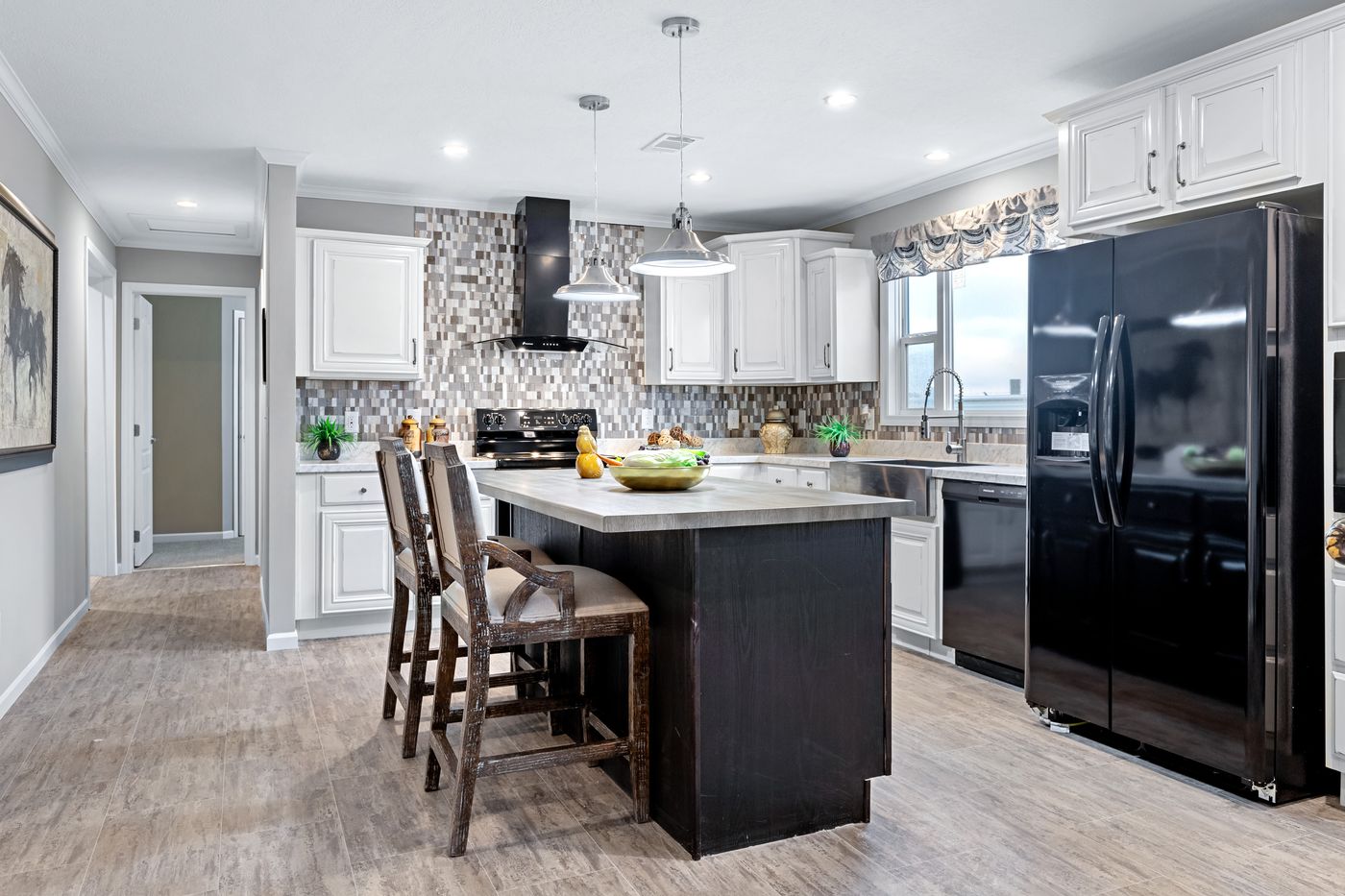
1) It becomes easier to lose track of the funds we are owed over the course of the transaction. It can take months, sometimes as much as 90 days for a sale to close. Its very easy for us to lose track of the bill and not get paid. This program lets buyers get a single loan with just one closing. A home inspection will also include a ventilation check, making sure that vents are clean and not painted over. If there is an attic, an inspector will check the vents to ensure there is a clear path for air and that there are no plumbing, appliance, or exhaust vents that empty out into the attic.
Though the number of months depends on your lender, many buyers put down 2 months’ worth of expenses at closing. Courier fees cover the cost of transporting mortgage documents. Expect to pay around $30 in courier fees if your lender charges them. At least 3 business days before you attend your closing meeting, your lender will give you a document called your Closing Disclosure.
If you purchased a home for $250,000 with a mortgage rate of 2.89%, that would equal $7,225 in total interest. You would then divide that by the number of days in a year to get a rate of $19.80 per day. You can then multiply that daily rate by the number of days between both transactions, and you’ll get the total amount of interest adjustments you owe. While it likely won’t be a large number, it’ll still add more dollars to your closing costs so it’s important to know in advance if these adjustments apply to you. In this instance, the seller will need to be reimbursed for taxes paid for the portion of the year that they won’t own the home.


No comments:
Post a Comment